What Should I Import to South Africa? | Popular Imports

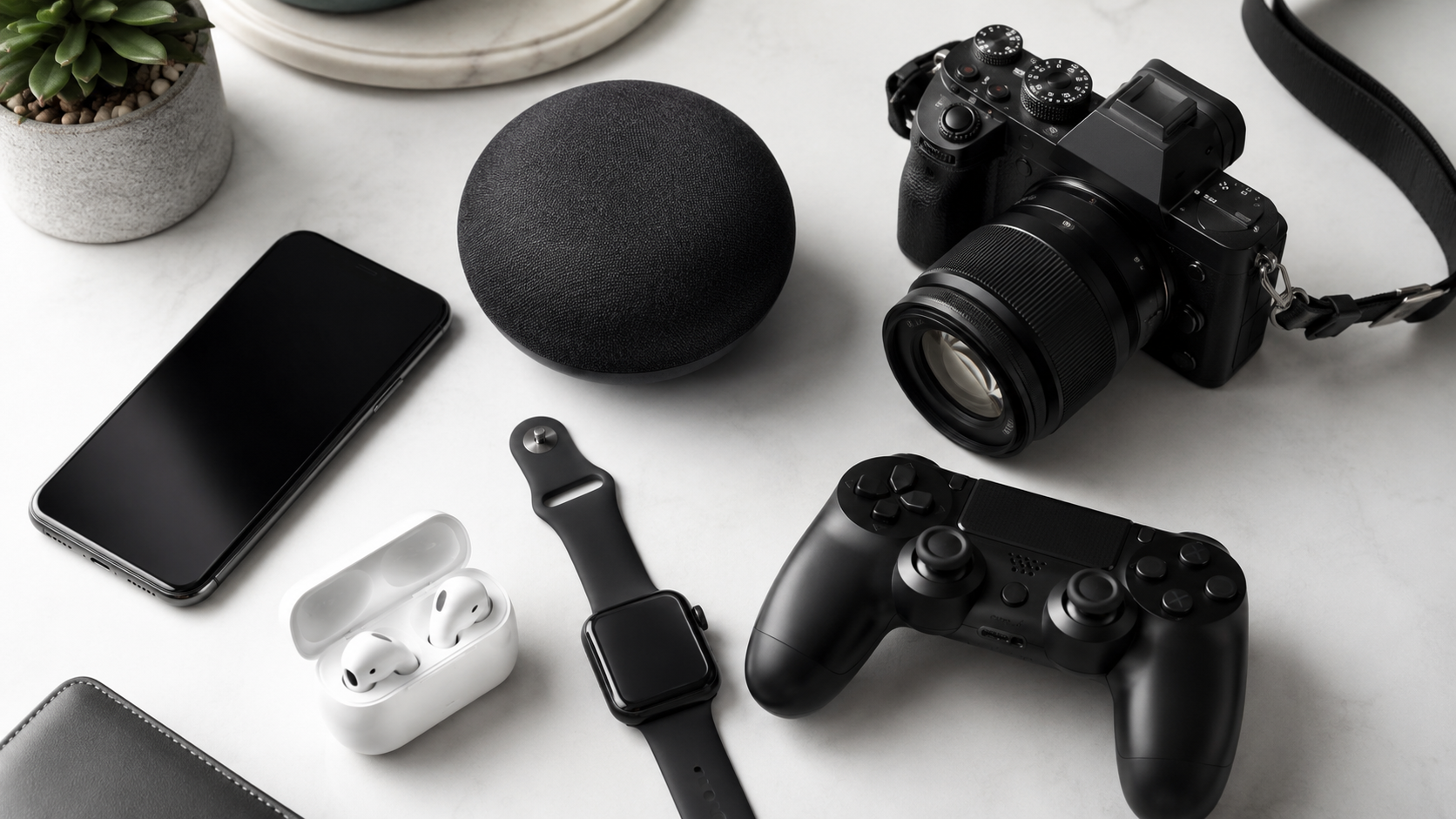
Popular imports to South Africa including electronics, audio and gadgets

What Should I Import to South Africa?

Popular imports to South Africa including electronics, audio and gadgets

The most popular imports to South Africa are electronics, audio equipment, smart home devices, and gadgets that are either unavailable locally or significantly overpriced. South Africans have access to a fraction of what is sold overseas, and the gap is widest in categories like enthusiast smartphones, high-end laptops, VR headsets, HiFi gear, and AI and local-LLM hardware for running models at home. If it is legal to import and not on our prohibited items list, SSS can bring it in. Here is what our clients import most, and why.


Enthusiast Smartphones

South Africa gets Samsung and Apple. That’s about it for flagship coverage. Brands like Google, Oppo, and OnePlus either don’t sell here at all or offer a limited range that skips their best models.

The Google Pixel 10 Pro is a good example: consistently rated among the best smartphones available, with Google’s own AI features and camera processing that nothing sold locally can match. The Oppo Find X9 Pro is another favourite, particularly for photography, with a camera system that rivals dedicated compacts.

These aren’t niche devices. They’re mainstream flagships in every other market. They’re just not sold in South Africa. For a full breakdown of what it costs to bring in electronics, see our guide to importing electronics.


High-End Laptops

Some gaming and workstation laptops are technically available in South Africa, but the markup is steep and the selection is thin. The models that do arrive tend to be mid-range configs, not the top-spec builds enthusiasts actually want.

The Razer Blade 16 and Razer Blade 18 are regularly requested: premium build quality, serious GPU power, and displays that put most desktop monitors to shame. The ASUS ROG Zephyrus G14 is popular with clients who want gaming performance in something light enough to carry daily. For productivity, the Dell XPS 15 and Microsoft Surface range remain solid imports.

We custom-order every laptop to spec. You pick the configuration, we source it, ship it, clear it, and deliver it to your door. Most laptop imports from the USA arrive within 10 to 15 working days. See our guide to importing from the USA for the full process.


VR Headsets

VR has moved well past the novelty stage. The hardware is genuinely good now, and almost none of it ships to South Africa officially.

The Meta Quest 3 is the current sweet spot: standalone, no PC required, strong game library. For console gamers, the PlayStation VR2 pairs with the PS5 and now supports PC as well, with OLED HDR and eye tracking at a reasonable price. At the premium end, the Apple Vision Pro and Samsung Galaxy XR are pushing into mixed reality territory for those who want the cutting edge.

VR headsets are fragile and relatively heavy. We pack and ship them properly, which is half the battle with these devices.


Smart home devices

Google Home, Amazon Echo, smart displays, Matter-compatible sensors and switches: the smart home ecosystem is mature and affordable in most of the world. In South Africa, availability ranges from patchy to nonexistent.

The Google Nest range is one of our most requested imports. Speakers, displays, thermostats, cameras, and doorbells: they all work here, they’re just not sold here. Amazon’s Echo and Alexa lineup is similarly popular.

For cord-cutters, the Nvidia Shield TV Pro remains the gold standard for Android TV streaming. It’s been around since 2019 and Nvidia continues to update it, which says something about the hardware. No local equivalent comes close.

For more detail on what to consider when importing connected devices, see our guide to importing smart home devices.


HiFi and home theatre

This is where SSS started. HiFi component imports were our first regular business, and it’s still one of our strongest categories. For a deeper look at what’s involved, see our guide to importing audio equipment.

Headphones and DACs

A DAC from Schiit Audio paired with the Drop x Sennheiser HD 6XX headphones is one of the most common audiophile starter combos we ship. Schiit’s range runs from the $99 Vestri dongle DAC up to the Lyr 5 desktop amp at $799. None of it is available through South African retailers. The HD 6XX, based on the legendary Sennheiser HD 650, sells for around $200 on Drop (formerly Massdrop). That’s less than half the price of the HD 650 for an identical sound profile.

Home theatre and projectors

The home projector market has changed completely. Ultra-short-throw (UST) laser projectors now replace TVs entirely: 100+ inch image, 4K resolution, built-in Dolby Atmos, and they sit centimetres from the wall. The Epson EH-LS650B and Hisense PT1 are popular imports in this category. Neither is officially distributed in South Africa.

Valve audio and NOS tubes

Valve audio enthusiasts, take note. We bring in a fair amount of glowing goodness that’s simply unavailable anywhere in South Africa. Rare NOS (New Old Stock) tubes from eBay, thetubestore.com, tubedepot.com, and Watford Valves: we’ve done them all. If you know what a matched quad of Mullard EL34s is worth, you already know why you’d import them.


What else can I import?

The categories above are our most popular, but they’re not the limit. If it’s legal to import and it’s not on our prohibited items list, we can bring it in. Car parts, hobby equipment, specialist tools, musical instruments, clothing from US or EU retailers, creator merch: if you can buy it online, we can get it here.

You can buy from any online store, including Amazon, eBay, Etsy, and AliExpress. For a walkthrough of the full process, see our step-by-step guide to importing.

Not sure if something qualifies? Ask. That’s free.


Frequently asked questions

Can I import anything to South Africa?

Most consumer goods can be legally imported. However, certain items are restricted or prohibited, including weapons, some medications and supplements, counterfeit goods, and hazardous materials. SSS reviews every order before purchase and will flag any compliance issues upfront.

How much does it cost to import electronics to South Africa?

The total landed cost depends on the item price, weight, and product category. Most electronics attract 0% customs duty, but 15% import VAT always applies. SSS quotes one all-inclusive price covering the product, shipping, customs, duties, VAT, and delivery. No surprises.

How long does an import take?

Courier shipments from the USA or UK typically arrive in 10 to 15 working days. Shipments from other regions may take slightly longer. SSS provides tracking updates throughout the process.

Do I need to pay customs duties on imported goods?

Yes. All goods imported into South Africa by courier are subject to customs assessment by SARS. Duty rates vary by product type (0% to 45%), and 15% VAT is charged on the customs value plus duty. With SSS, all of this is included in your upfront quote.

Can SSS import items that the retailer won’t ship to South Africa?

Yes. That is the core of what SSS does. We purchase the item on your behalf, have it shipped to our logistics network, and forward it to South Africa by courier. The retailer does not need to offer international shipping.
If you’re planning your next import, don’t leave it to chance.
Scott’s Shipping Services is here to make the process smooth,
cost-effective, and fully compliant. Get your quick estimate today
using our online calculator,
or contact us for expert advice on your shipment.



About the Author

Scott is the founder and director of Scott’s Shipping Services, a trusted name in international shipping and customs clearance in South Africa. With over a decade of experience helping hundreds of individuals and businesses import goods safely and efficiently, Scott combines technical expertise with practical know-how. His team has managed over 5,000 successful shipments globally, earning a reputation for reliability, transparency, and straight, honest pricing.

Importing Smart Home Devices to South Africa | SSS

Imported smart home devices controlled by phone in a South African home

Importing Smart Home Devices to South Africa

Imported smart home devices controlled by phone in a South African home

Smart home devices let you control lights, locks, speakers, cameras, and appliances with your voice or a single app. South Africa has a growing local selection, but if you want the full range of products available in the US, UK, or Europe (at international pricing), importing is the way to get there. SSS handles the entire process: purchase, international shipping, customs clearance, duties, and delivery to your door, quoted as one all-inclusive price.


What Counts as a Smart Home Device?

A smart home device is any household product that connects to Wi-Fi or a local hub and can be controlled remotely through an app, voice command, or automation routine. The category covers everything from a R500 smart plug to a R15,000 robot vacuum.

The common thread is connectivity. These devices talk to each other (and to you) through ecosystems like Amazon Alexa, Google Home, Apple HomeKit, or Samsung SmartThings. Most people start with a voice assistant or smart speaker, then expand from there. Smart home gear falls under the broader electronics importing category, and the customs process works the same way.


Why Import Smart Home Devices to South Africa?

Several major smart home brands now have some presence in South Africa through local retailers. Google Nest speakers, Amazon Echo devices, and a handful of smart plugs and cameras are available from stores like Yuppiechef, Takealot, and specialist retailers.

So why import?

Limited local selection

South African retailers carry a fraction of what’s available internationally. If you want a specific Ring doorbell model, a Lutron lighting system, an Ecobee thermostat, or a US-market Sonos bundle, your options locally are thin or non-existent.

Pricing differences

SA retail markup on imported electronics can be significant. Depending on the product, buying at US pricing and paying import duties can still work out cheaper than the local shelf price, especially when you’re buying multiple devices in a single shipment. For a sense of how international online shopping costs compare to local retail, our comparison guide breaks down the numbers.

New releases and US-exclusive products

Product launches reach the US market months (sometimes years) before South Africa, if they arrive here at all. Brands like Wyze, Aqara, TP-Link Kasa, and many Zigbee-based smart home accessories have no official SA distribution.

Keeping it local and private

Smart home gear leans more and more on cloud AI: voice assistants, camera detection, automations that stop the moment the service does. Running a local LLM on your own hardware keeps that processing in your house, on your network, with nothing uploaded to a provider. It is the same logic as owning the compute rather than renting it: privacy, no subscription, and a setup that keeps working on your terms. If you are building toward that, see our guide to importing AI and local-LLM hardware into South Africa.


Voice assistants and smart speakers

Amazon Echo, Google Nest, and Apple HomePod are the three main ecosystems. These act as the central hub for most smart home setups, letting you control other devices by voice. The full Echo range (Echo Show, Echo Studio, Echo Pop) is rarely stocked locally in all variants.

Smart security

Video doorbells (Ring, Google Nest Doorbell), indoor and outdoor cameras (Arlo, Wyze, Blink), and smart locks (August, Yale) are among the most commonly imported smart home products. The US market has far more options and competitive pricing in this category.

Lighting

Philips Hue is available in SA, but the full range of bulbs, light strips, and accessories is not. Other lighting systems like Lutron Caseta and LIFX are import-only for most South African buyers.

Smart displays and streaming

Amazon Echo Show, Google Nest Hub, and Meta Portal devices combine a screen with a voice assistant. These are useful as kitchen displays, video calling stations, and smart home control panels. Local availability is inconsistent.

Robot vacuums and home automation

Brands like iRobot Roomba, Roborock, and Ecovacs have limited SA distribution. The US range is broader and often priced 20-40% lower. Smart plugs, smart switches, and sensors from brands like TP-Link, Meross, and Aqara fall into the same import-friendly category.


What Does It Cost to Import Smart Home Devices?

The total landed cost of an imported smart home device depends on four things: the purchase price, international shipping, customs duty, and VAT.

Customs duty on electronics

South Africa applies ad valorem customs duty based on the FOB customs value (the price of the goods up to loading on the export carrier). Many IT and electronic products attract 0% customs duty under South Africa’s tariff schedule, though some finished consumer electronics can be rated up to 25%. The exact rate depends on the product’s HS tariff code. For a detailed explanation of how customs values are calculated, see our post on how customs value is determined.

VAT

15% VAT is charged on the Added Tax Value, which adds a flat 10% upliftment and any customs duty to the FOB customs value. This applies to all imports regardless of the duty rate.

How SSS quotes it

SSS provides a single all-inclusive price that covers the product cost, international shipping, customs clearance, duties, VAT, and delivery to your address in South Africa. No hidden fees, no surprises at the border. The price you’re quoted is the price you pay. To understand the common cost traps that catch first-time importers, see our guide on importing mistakes and hidden costs.

Tip: Use the Quick Estimate tool to get an instant ballpark figure for your smart home import. For a detailed, binding quote, request a full quote.

How Does SSS Handle a Smart Home Import?

SSS is an end-to-end import service. That means you don’t buy the product yourself and then ask us to ship it. We handle the full chain:

  1. You tell us what you want. Send us the product link, or just describe what you’re after. We’ll confirm availability and pricing.
  2. We quote. One price, all-inclusive: product, shipping, customs, duties, VAT, delivery.
  3. We purchase and ship. Once you accept the quote, we buy the product from the international retailer and arrange shipping to South Africa.
  4. We clear customs. All customs documentation, duty payments, and SARS compliance is handled by our team.
  5. We deliver. Your smart home device arrives at your door. No border pickups, no paperwork on your end.

The process works the same for a single Echo Dot or a full-house smart home kit with 30 devices. For a detailed walkthrough, see our step-by-step import guide.


Will Imported Devices Work in South Africa?

This is the question that comes up most often, and the honest answer is: almost always, with a couple of things to check first.

Wi-Fi and connectivity

Smart home devices use standard Wi-Fi (2.4GHz or 5GHz), Bluetooth, Zigbee, or Z-Wave. These protocols work the same worldwide. An Amazon Echo bought in the US will connect to your South African Wi-Fi network without issues.

Power supply

South Africa uses 230V electricity. The US uses 110V. Most smart home devices (speakers, cameras, hubs) ship with a USB or barrel-jack power adapter. You’ll need a plug adapter for the wall socket, or in some cases a replacement power supply. Devices with built-in plugs (like US-format smart plugs) will need an adapter or may not be practical for SA sockets. SSS can advise on compatibility before you buy.

Voice assistant regions

Amazon Alexa and Google Assistant both work in South Africa, though some features (like local shopping or certain third-party skills) may be limited compared to the US. Apple HomeKit and Siri work without regional restrictions for device control.


Where to Buy Smart Home Devices for Import

You don’t need to find the retailer yourself (SSS handles purchasing), but if you want to browse and send us links, these are the main sources:

  • Amazon.com has the widest smart home selection globally, including Amazon-branded devices (Echo, Ring, Blink) and third-party products.
  • Best Buy carries a broad range of smart home brands and often runs competitive sales.
  • Google Store is the source for Nest speakers, Nest cameras, and Nest thermostats.
  • Apple Store for HomePod and HomeKit-certified accessories.
  • eBay can be useful for discontinued models or bulk purchases.

Most of these retailers are US-based. Our USA import guide covers the logistics of buying from American stores. Send us the product page URL when you request a quote, and we’ll take it from there.


Frequently Asked Questions

Can I import smart home devices to South Africa legally?

Yes. There are no import restrictions on standard smart home electronics in South Africa. All duties and VAT are handled through normal SARS customs processes, which SSS manages on your behalf.

How long does it take to import a smart home device?

Typical turnaround is 10 to 21 working days from order to delivery, depending on the origin country and product availability. SSS provides estimated timelines with every quote.

Is it worth importing if I can buy locally?

It depends on the product. If the exact model you want is available locally at a fair price, buying in SA is simpler. Importing makes sense when you want a product not sold here, need a specific variant, or the local markup makes the all-inclusive import price competitive. Use the Quick Estimate tool to compare.

Can I import multiple devices in one shipment?

Yes, and it’s often the most cost-effective approach. Combining several smart home devices into a single shipment reduces per-item shipping costs. SSS handles consolidated shipments regularly.

What if my imported device is faulty?

SSS sources from authorised retailers with standard manufacturer warranties. If a device arrives faulty, we assist with the returns or warranty process. The specifics depend on the retailer and manufacturer’s policy.


Planning your next import? Use our online calculator for a quick estimate, or get in touch for advice on your shipment.


About the Author

With years of hands-on experience in international shipping and South African customs, Scott started SSS to give individuals and businesses a simpler, more transparent way to import. He and his team have handled thousands of shipments from six continents, building a reputation for reliability, compliance, and honest pricing.

Import Audio Equipment into South Africa – SSS

Imported hi-fi audio equipment in a home listening room

Importing Audio Equipment into South Africa

Imported hi-fi audio equipment in a home listening room

South Africa’s retail options for serious audio gear are limited, and the prices on what is available rarely compete with overseas retailers. Importing amplifiers, speakers, turntables, and headphones is simpler than most people expect, once you know how duties, taxes, and shipping work. Scott’s Shipping Services (SSS) handles the full process: purchase, international shipping, customs clearance, and delivery to your door, quoted as one all-inclusive price with no hidden costs.


Why Import Audio Equipment into South Africa?

If you have ever priced a quality amplifier or pair of bookshelf speakers at a South African retailer, you already know the markup. Many specialist audio brands have no local distribution at all, and those that do often charge a significant premium over their international retail price.

Importing gives you access to the full range of products from global manufacturers. Brands like Schiit, Pro-Ject, Klipsch, and Focal sell direct or through major retailers overseas at substantially lower prices. Even after duties, VAT, and shipping, the total landed cost in South Africa is often less than what local stores charge for comparable equipment.

The vinyl revival has added another reason to look overseas. Turntables, phono preamps, and cartridges are back in production from dozens of manufacturers. South African stock is thin. International stock is not. Audio equipment is one of the most popular categories we import, alongside other electronics and tech gear.


What Audio Gear Can You Import?

Practically anything that runs on electricity or sits on a shelf. Common imports include:

  • Amplifiers and receivers (tube, solid-state, and integrated)
  • Bookshelf and floor-standing speakers
  • Studio monitors
  • Turntables and phono preamps
  • Headphones and earphones
  • DACs (digital-to-analogue converters)
  • Soundbars and subwoofers
  • Acoustic treatment panels and soundproofing
  • Cables, speaker stands, and accessories

Vinyl records can be imported alongside your equipment. Both are subject to duties and VAT. For a broader view of what people import through SSS, see our guide on what to import.


Where to Buy Audio Equipment Online

For general-purpose shopping, Amazon and eBay carry a wide range of audio products from budget to high-end. Check seller ratings and return policies before committing to a purchase.

For specialist gear, look at dedicated audio retailers. Schiit manufactures its own amplifiers and DACs in the US. TubeDepot stocks valve amplifiers and replacement tubes. Parts Express and Crutchfield are solid options for speakers, drivers, and crossover components. Many of these retailers are US-based, and our USA import guide covers the logistics of buying from American stores.

SSS can purchase from any of these retailers on your behalf. You pick the product, we handle the rest.


What Does It Cost to Import Audio Equipment?

Three components make up the total landed cost of any audio import:

  1. Product price in the currency of the seller
  2. International shipping from the seller to South Africa
  3. South African duties and VAT applied at customs

The exact total depends on the product category, weight, dimensions, and origin country. A pair of headphones from the US will cost significantly less to ship and clear than a 50 kg floor-standing speaker from Germany. For a general breakdown of import costs, see our guide on importing goods to South Africa.

SSS rolls all of these into a single quote. You see one number before you commit. No separate customs invoices, no broker fees arriving weeks later, no currency surprises.

Use the quick estimate calculator to get a ballpark figure for your specific product.


How Customs Duties and VAT Work

SARS (the South African Revenue Service) classifies imported goods using HS codes. Audio equipment falls under several different tariff headings depending on the product type. Speakers, amplifiers, headphones, and turntables each attract different duty rates.

The customs value on which duty is calculated includes the purchase price plus the cost of shipping the goods to South Africa. VAT at 15% is then applied on top of the customs value plus the duty amount. For a detailed explanation of how this calculation works, see our post on how customs value is determined.

This means the duty and VAT portion can add a meaningful percentage to the product price. The exact figure varies by product, which is why SSS provides a specific quote rather than a generic estimate. No guesswork, no assumptions.


How the Import Process Works with SSS

The process is simple and follows the same steps regardless of what you are importing:

  1. You find the product you want online and send us the details.
  2. SSS provides a single all-inclusive quote covering the product, shipping, duties, VAT, and delivery.
  3. Once accepted, SSS purchases the item from the retailer.
  4. The product ships to our receiving facility and then on to South Africa.
  5. SSS handles customs clearance with SARS on your behalf.
  6. Your audio gear is delivered to your door.

You deal with one company from start to finish. No juggling a retailer, a freight forwarder, and a customs broker separately.

For a detailed walkthrough of the process, see our step-by-step import guide. Larger items like floor-standing speakers or heavy amplifiers may be better suited to our freight service.


Check Voltage and Compatibility Before You Buy

Voltage warning: South Africa runs on 230V/50Hz. The United States, Japan, and several other countries use 110-120V/60Hz. If you buy an amplifier or powered speaker designed for 120V, you will need a step-down transformer to run it safely in South Africa. Some equipment has a voltage selector switch on the back panel. Check before you buy.

A few other things to confirm before placing your order:

  • Plug type: South Africa uses Type M (large three-prong) and Type C (two-prong) plugs. You will likely need an adaptor or a new power cable for imported equipment.
  • Warranty: Most international manufacturer warranties do not cover South Africa. Factor this into your decision, particularly on high-value items.
  • Weight and dimensions: Large speakers and heavy amplifiers cost more to ship. Get a quote before assuming the price will be similar to a pair of headphones.

For more on avoiding costly mistakes when importing, read our guide on common importing mistakes.


Frequently Asked Questions

Do I need a permit to import audio equipment into South Africa?

No. Audio equipment for personal use does not require an import permit. It is classified as standard consumer electronics and is not on any restricted goods list.

Will I pay customs duty on headphones?

Yes. Headphones are subject to customs duty based on their HS code classification. The rate varies depending on the specific product. VAT at 15% applies on top of the duty amount.

Can I import a turntable with vinyl records?

Yes. Both turntables and vinyl records can be imported into South Africa. Each is classified under a separate HS code and attracts its own duty rate. SSS can ship them together in one consignment.

How long does shipping take?

Transit times depend on the origin country and the shipping method selected. Shipments from the US typically take 2 to 4 weeks. SSS provides an estimated delivery window with every quote.

What if my equipment arrives damaged?

SSS insures all shipments. If your audio equipment arrives damaged, contact us immediately with photographs of the damage and packaging. We will handle the claim process on your behalf.


Planning your next import? Use our online calculator for a quick estimate, or get in touch for advice on your shipment.


About the Author

With years of hands-on experience in international shipping and South African customs, Scott started SSS to give individuals and businesses a simpler, more transparent way to import. He and his team have handled thousands of shipments from six continents, building a reputation for reliability, compliance, and honest pricing.

Import from the USA to South Africa | Scott’s Shipping Services

A globe showing North America with a model plane and parcels, for importing goods from the USA to South Africa

Importing from the USA to South Africa

A globe showing North America with a model plane and parcels, for importing goods from the USA to South Africa

Importing from the USA to South Africa does not have to mean surprise duties, lost parcels, or weeks spent chasing couriers. Scott’s Shipping Services (SSS) buys the product for you, ships it by courier, clears it through SARS customs, pays the duties upfront, and delivers to your door, all quoted as one price before you commit. This guide covers what you can import, what it costs, which US stores South Africans buy from most, and exactly how the SSS process works.


Why Import from the USA?

The United States is the world’s largest consumer market. For South African buyers, that matters because it means access to products, brands, and pricing that simply do not exist locally. Specialist camera gear from B&H Photo, audiophile equipment from brands like Schiit, limited-run sneakers, American-made tools, supplements, outdoor gear, auto parts: the list goes on.

Many US retailers either refuse to ship to South Africa or charge international shipping rates that double the cost of the item. Others ship via USPS, which hands off to the South African Post Office and enters a tracking black hole somewhere around OR Tambo. SSS exists to solve that problem.

The short version

If a product is legal to import into South Africa and a US store sells it online, SSS can get it to your door with a single, upfront quote that includes everything: product cost, international courier shipping, customs clearance, duties, VAT, and local delivery.


What can you import from the USA to South Africa?

Almost anything that is legal to import under South African customs regulations. The most common categories SSS handles from the USA include:

Electronics and tech

Laptops, cameras, lenses, audio equipment, networking gear, components, and accessories. US pricing on electronics is often 20-40% lower than South African retail, even after duties and shipping. If you are after a specific camera body or lens, have a look at what B&H Photo Video carries. For high-end audio, Schiit is a favourite among SSS clients. For a broader look at importing electronics to South Africa, we have a dedicated post. Building a rig to run AI models locally? See our guide to importing AI and local-LLM hardware into South Africa.

Health, fitness, and supplements

Protein powders, vitamins, pre-workouts, and specialist supplements from US brands that do not distribute in South Africa. Note: SAHPRA regulations apply to certain health products, so check before ordering anything pharmaceutical.

Auto parts and accessories

OEM and aftermarket parts for US-spec vehicles, performance upgrades, and accessories that are not stocked by local dealers.

Fashion, footwear, and limited releases

US-exclusive colourways, limited drops, and brands that do not ship internationally. Sneaker culture is alive and well in South Africa, but the releases are not.

Outdoor and sporting goods

Camping gear, fishing tackle, hunting optics, golf equipment, and cycling components. US outdoor brands often offer wider ranges at lower prices than what reaches SA shelves.

Home goods, tools, and hobby items

Woodworking tools, sewing machines, craft supplies, kitchen equipment, and smart home devices. If you are building a connected home, our post on importing smart home devices covers what to consider.

Good to know: SSS does not handle prohibited goods (firearms, narcotics, counterfeit items) or goods that require special import permits unless you have the permit in hand before we quote. When in doubt, ask us and we will confirm whether the item can be imported.

SSS purchases directly from US retailers on your behalf. You do not need a US address, a US credit card, or a forwarding service. Some of the stores our clients order from most often:

CategoryPopular Stores
General / marketplaceAmazon USA, eBay, Walmart
Electronics / photo / audioB&H Photo, Adorama, Crutchfield, Schiit
Fashion / sneakersNike US, StockX, GOAT, Nordstrom
Supplements / healthiHerb, Bodybuilding.com, Vitacost
Auto partsRockAuto, AutoZone, Summit Racing
Outdoor / sportREI, Bass Pro, Cabela’s, Golf Galaxy
Home / tools / hobbyHome Depot, Woodcraft, Joann, Micro Center

This is not an exhaustive list. If the store ships within the USA, SSS can handle it. Not sure whether a store is reputable? Our guide on how to spot reputable online retailers walks you through the checks.


How much does it cost to import from the USA?

Every import is different. The total cost depends on the product price, its weight and dimensions, the HS tariff classification, and the current exchange rate. Instead of guessing, SSS gives you one all-inclusive quote that covers:

  • Product purchase price (in USD, converted to ZAR)
  • International courier shipping (USA to South Africa)
  • Customs clearance and documentation
  • Import duties (set by SARS based on the product’s tariff code)
  • 15% VAT on the landed value
  • Delivery to your door in South Africa

No hidden fees. No surprise bills after the fact. The price you approve is the price you pay. That is the core of how SSS operates, and it is the reason most of our clients come back.

For a deeper look at how SARS calculates what you owe, read our post on how customs value is determined in South Africa. If you want to avoid the most common cost traps, our breakdown of common importing mistakes and hidden costs is worth five minutes of your time.


How the SSS import process works

SSS is an end-to-end import service. That means we handle every step from purchase to delivery. Here is what happens after you request a quote:

Step 1: You send us what you want

Share a link to the product (or products) you want to buy. You can use our quick estimate tool for a ballpark figure, or submit a detailed request via the quote page for a final, binding price.

Step 2: We quote you one all-inclusive price

Your quote includes the product cost, shipping, customs, duties, VAT, and delivery. One number, in ZAR. No line-item surprises.

Step 3: You approve, we purchase

Once you accept the quote, SSS purchases the item directly from the US store. We pay in USD using our own accounts, so you do not need a US credit card or a foreign exchange allocation.

Step 4: courier shipping to South Africa

The item ships from the US to South Africa via international courier (not postal service). You get a tracking number and can follow your parcel at every stage.

Step 5: customs clearance

SSS handles the SARS customs declaration, pays the duties and VAT on your behalf, and clears the shipment. You do not need to visit a customs office or fill out any forms.

Step 6: Delivery to your door

Your goods are delivered to your address anywhere in South Africa. The entire process, from purchase to delivery, typically takes between 7 and 21 working days depending on the US store’s dispatch time and the shipment’s size. For a more detailed walkthrough, see our step-by-step import guide.


How long does shipping from the USA take?

Most courier shipments from the USA to South Africa arrive within 7 to 14 working days after the US store dispatches the item. Larger or heavier shipments that travel by air freight may take 14 to 21 working days. Customs clearance in South Africa typically adds 1 to 3 working days.

SSS does not use postal services. Every shipment travels by tracked international courier, which means you have visibility from the moment the parcel leaves the US warehouse to the moment it reaches your door.

Tip: If you are ordering from a US store that builds or customises products to order (audio equipment, custom PC builds, made-to-order leather goods), factor in the store’s own lead time on top of the shipping estimate. SSS will confirm the expected timeline when we quote.

Customs duties and VAT on US imports

Every item imported into South Africa is subject to customs duties and 15% VAT. The duty rate depends on the product’s tariff classification under the Harmonised System (HS) code. Rates vary widely: some electronics attract 0% duty, while clothing and footwear can be 40% or higher.

SARS calculates duties on the “customs value” of the goods, which South Africa bases on FOB: the price of the goods up to loading on the export carrier, excluding international shipping and insurance. VAT is then charged on the Added Tax Value, which adds a flat 10% upliftment and any duty to that customs value.

What this means in practice

If you import a camera lens priced at $500 with a 0% duty rate, you pay 15% VAT on the FOB-based Added Tax Value. If you import a pair of sneakers priced at $200 with a 40% duty rate, the total tax bite is significantly higher. This is exactly why getting an all-inclusive quote upfront matters: it removes the guesswork entirely.

SSS includes all duties and VAT in your quote. You do not deal with SARS, you do not pay anything at the point of delivery, and you do not receive any surprise invoices weeks later.


Why use SSS instead of importing yourself?

You can import from the USA yourself. Many people do. But the process involves setting up a US forwarding address, paying in foreign currency, arranging international shipping, dealing with customs brokers, calculating duties, and hoping nothing goes wrong in transit. When something does go wrong, you are on your own.

SSS replaces all of that with a single point of contact and a single price. Here is what you get:

  • One all-inclusive quote covering product, shipping, customs, duties, VAT, and delivery
  • No US address or credit card needed – SSS purchases on your behalf
  • Courier-only shipping with full tracking (no postal service)
  • SARS-compliant customs clearance handled by SSS
  • No surprise fees – the quoted price is the final price
  • A real person to talk to if something needs sorting out

For a broader look at why this model works, read our post on the benefits of using an import company.


Frequently asked questions

Can SSS buy from any US store?

Yes, provided the store sells online and ships within the United States. SSS purchases from the store directly, so you do not need a US address, US payment method, or freight forwarder.

Do I need to pay customs duties separately?

No. All customs duties and VAT are included in your SSS quote. You pay one price and nothing more.

Is it cheaper to import from the USA than to buy locally?

It depends on the product. Electronics, specialist equipment, supplements, and limited-release items are often significantly cheaper from the US even after duties and shipping. Fashion and general consumer goods vary. The quickest way to find out is to request a quick estimate and compare.

What happens if my item arrives damaged?

SSS ships by international courier with tracking and insurance coverage. If an item arrives damaged, contact us immediately and we will work with the courier to resolve the claim.

Can I import items for my business from the USA?

Absolutely. SSS handles both personal and commercial imports. If you are importing stock, equipment, or components for a South African business, read our guide on importing goods for your business.

How do I get a quote?

Use the quick estimate tool for a ballpark figure, or submit full details on the quote page for a binding, all-inclusive price.


Planning your next import? Use our online calculator for a quick estimate, or get in touch for advice on your shipment.


About the Author

With years of hands-on experience in international shipping and South African customs, Scott started SSS to give individuals and businesses a simpler, more transparent way to import. He and his team have handled thousands of shipments from six continents, building a reputation for reliability, compliance, and honest pricing.

Importing Electronics to South Africa | Costs & Duties

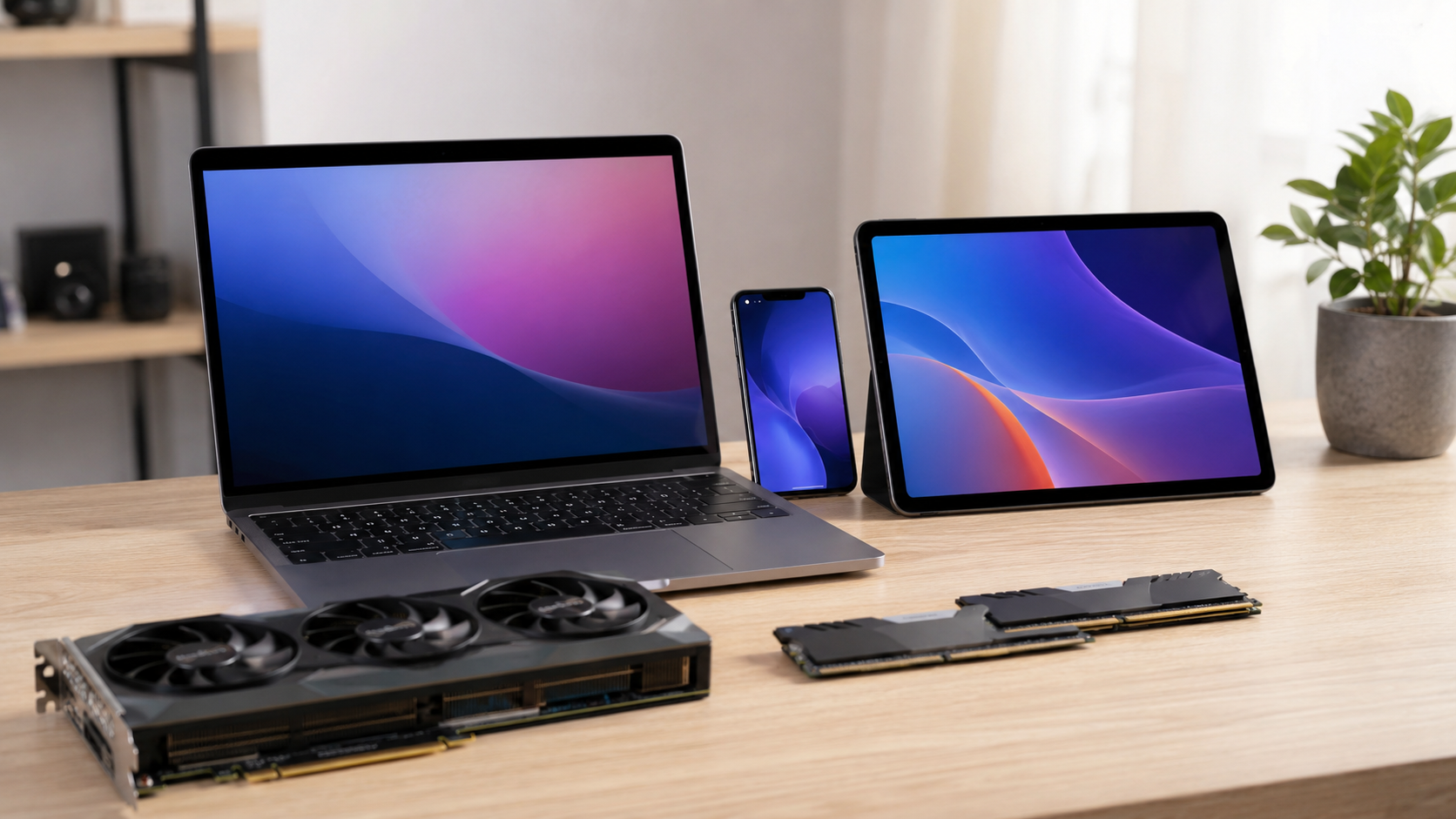
Imported laptops, phones and electronics arranged on a desk

Importing Electronics to South Africa: Costs, Duties, and What to Expect

Imported laptops, phones and electronics arranged on a desk

Importing electronics to South Africa is more straightforward than most people expect. Laptops, PCs, phones, and most consumer electronics carry 0% customs duty under SARS tariff schedules, with 15% VAT applied on the customs value, which South Africa bases on FOB (the price of the goods up to loading on the export carrier). Scott’s Shipping Services (SSS) handles the full process, from purchase through customs clearance to door delivery, quoted as one all-inclusive price with no surprise fees.


Why import electronics to South Africa?

South African retailers carry a limited selection compared to what is available internationally. Product launches arrive later, local pricing includes significant markups, and some brands or configurations simply never reach our shelves. When the product you want is sitting in a US, UK, or EU store at half the local price, importing makes financial sense.

Common reasons SSS customers import electronics include access to models not sold locally, better pricing on high-value items like gaming PCs and professional-grade equipment, and the ability to buy directly from the manufacturer or authorised retailer rather than through a third-party reseller.

The good news: electronics are one of the most cost-effective product categories to import into South Africa. Customs duty on most consumer electronics is 0%, which means your only government cost is VAT. For a broader picture of what importing involves, see our guide on importing goods to South Africa.


What does it cost to import electronics?

The total landed cost of importing electronics to South Africa is made up of three parts: the product price, shipping and handling, and government taxes. Here is how it breaks down.

Customs Duty

Most consumer electronics fall under HS code chapter 84 (computers, laptops, servers) or chapter 85 (phones, tablets, audio equipment). Under SARS tariff schedules, these categories attract 0% customs duty. That is not a special exemption or trade agreement benefit. It is the standard rate.

Some electronic accessories and peripherals may attract different rates depending on their specific tariff classification. SSS confirms the exact duty rate for every item during the quoting process, so there are no surprises at clearance.

VAT

South Africa charges 15% VAT on all imports. VAT is calculated on the Added Tax Value (ATV): the FOB customs value, plus a flat 10% upliftment, plus any applicable customs duty. For electronics at 0% duty, that is the FOB value plus the 10% uplift, multiplied by 15%. If you are VAT-registered, this amount is reclaimable as an input tax credit.

For a deeper explanation of how SARS calculates the taxable value, see our post on how customs value is determined in South Africa.

Shipping and Handling

Shipping cost depends on the weight, dimensions, and origin country of your purchase. SSS uses courier-only shipping (no sea freight for personal electronics), which is faster and safer for high-value items. The SSS quote includes purchase, international courier, customs clearance, duty, VAT, and delivery to your door as a single figure.

Example: A laptop purchased from a US retailer for $1,200 (approximately R22,200 at current rates) would attract 0% customs duty and roughly R3,700 in VAT (calculated on the FOB value plus the standard 10% upliftment). SSS provides the exact all-inclusive figure upfront, so you know the full cost before committing.

What electronics can you import?

Short answer: almost anything. SSS regularly handles imports of the following:

  • Laptops and notebooks (MacBooks, ThinkPads, gaming laptops, ultrabooks)
  • Desktop PCs and components (GPUs, CPUs, motherboards, RAM, SSDs, cases, PSUs)
  • Smartphones and tablets (iPhones, Samsung Galaxy, iPads, Android tablets)
  • Gaming consoles and accessories (PlayStation, Xbox, Nintendo Switch, VR headsets)
  • Audio equipment (headphones, speakers, DACs, studio monitors). See also: importing audio equipment to South Africa
  • Smart home devices (smart displays, hubs, sensors, cameras). See also: importing smart home devices
  • Networking equipment (routers, switches, access points, NAS drives)
  • Professional and enterprise equipment (servers, workstations, rack-mount hardware)

If an online store sells it and ships within its own country, SSS can get it to South Africa. We purchase on your behalf, ship to our international receiving address, and handle everything from there. Popular sources include Amazon and specialist retailers across the US, UK, and EU.


Do you need NRCS or ICASA approval?

This is a question that comes up often, and the answer depends on the purpose and scale of your import.

Personal Imports

If you are importing one or two items for your own use, NRCS (National Regulator for Compulsory Specifications) and ICASA (Independent Communications Authority of South Africa) approvals are generally not required. SARS customs typically clears personal-use electronics without requiring a Letter of Authority. For the full list of items that do need a permit, see our guide to prohibited and restricted imports.

Commercial or bulk imports

If you are importing electronics for resale or in commercial quantities, the picture changes. The NRCS requires a Letter of Authority (LOA) for any electrical equipment that connects to 230V mains power or is rechargeable. ICASA requires type approval for telecommunications equipment (anything with Wi-Fi, Bluetooth, or cellular capability) before it can be sold in South Africa.

These approvals take time and require SA-based representation. For businesses importing stock, SSS can advise on the process during the quoting stage. For more on importing goods for your business in South Africa, see our dedicated guide.

Note: SSS does not provide regulatory or legal advice. If your import requires NRCS or ICASA certification, we recommend engaging a compliance specialist. We can handle the logistics once the regulatory side is sorted.

How the SSS import process works

SSS is an end-to-end import service. We do not offer third-party shipping, clearing-only, or handle goods you have already purchased. Here is how the process works:

  1. You send us the product link. Find what you want online, copy the URL, and send it to us via our quick estimate form or full quote request.
  2. We quote a single all-inclusive price. That figure covers the purchase price, international courier shipping, customs clearance, duties, VAT, and delivery to your South African address.
  3. You approve, we purchase. Once you accept the quote, we buy the item on your behalf from the retailer.
  4. We ship and clear customs. The item ships to our international receiving facility, then onward to South Africa. We handle all SARS documentation and clearance.
  5. Door delivery. Your electronics arrive at your door, fully cleared, with nothing left to pay.

The entire process is tracked and transparent. You know exactly where your item is at every stage. For a detailed walkthrough of each step, see our step-by-step import guide.


How long does delivery take?

Delivery timelines depend on the origin country and the retailer’s own dispatch speed. As a general guide:

OriginTypical Timeframe
USA7 to 14 business days
UK7 to 12 business days
EU (Germany, France, etc.)7 to 14 business days
Asia (Japan, South Korea)10 to 18 business days
China12 to 21 business days

These timeframes include retailer processing, international courier transit, and South African customs clearance. SSS provides tracking throughout, and your quote will include an estimated delivery window specific to your order. For more detail on importing from the USA, see our dedicated guide.


Frequently asked questions

Is there customs duty on laptops imported to South Africa?

No. Laptops fall under HS code 8471.30 and attract 0% customs duty in South Africa. You will still pay 15% VAT, calculated on the FOB customs value plus the standard 10% upliftment.

Can I import a phone to South Africa?

Yes. Smartphones are one of the most commonly imported electronics categories. For personal use, a single phone clears customs without issue. SSS includes all duties (typically 0%) and VAT in the quoted price.

Will my electronics warranty be valid in South Africa?

That depends on the manufacturer. Some brands (Apple, Lenovo, Dell) offer international warranty coverage. Others limit warranty to the country of purchase. SSS recommends checking warranty terms with the manufacturer before ordering. We can flag this during the quoting process if you ask.

Can I import electronics for my business?

Yes. SSS handles both personal and business imports. For business imports, you may need NRCS or ICASA approvals depending on the product type and intended use. VAT-registered businesses can reclaim import VAT as an input tax credit. See our guide on importing for business for more detail.

What about PC components like GPUs and CPUs?

PC components (graphics cards, processors, memory, storage drives) are regularly imported through SSS. These fall under the same favourable duty category as complete computers. Useful for gamers and professionals who want specific hardware configurations not available locally. If you are putting together a rig to run models locally, see our guide to importing AI and local-LLM hardware into South Africa.

How do I know if the online store is legitimate?

Before purchasing from any international retailer, it pays to do basic due diligence. We put together a 10-minute checklist for spotting reputable online retailers that covers the essentials.


Planning your next import? Use our online calculator for a quick estimate, or get in touch for advice on your shipment.


About the Author

With years of hands-on experience in international shipping and South African customs, Scott started SSS to give individuals and businesses a simpler, more transparent way to import. He and his team have handled thousands of shipments from six continents, building a reputation for reliability, compliance, and honest pricing.

A World Of Products

A globe surrounded by diverse products available to import to South Africa

A World of Products

A globe surrounded by diverse products available to import to South Africa

South African shoppers can buy almost anything online, from almost anywhere in the world. The problem isn’t finding products. It’s getting them here. Between customs paperwork, import duties, VAT calculations, and unreliable freight options, importing products to South Africa can feel like more effort than it’s worth. Scott’s Shipping Services (SSS) handles the full import chain: purchase, international shipping, customs clearance, duties, VAT, and delivery to your door. All quoted upfront as one price.


Why Is Importing to South Africa So Complicated?

Every item imported into South Africa passes through SARS customs. That means tariff classification, duty calculations, VAT, and compliance paperwork. For most people, this is where the process breaks down.

Customs duties aren’t a flat percentage. They vary by product category, material composition, and country of origin. A pair of leather shoes from Italy attracts a different duty rate than a polyester jacket from China. SARS uses the Harmonised System (HS) tariff codes to classify goods, and there are thousands of them. Getting the classification wrong can mean overpaying, underpaying (which triggers penalties), or having your shipment held at the port.

On top of duties, you pay 15% import VAT. This is calculated on the customs value of the goods plus the duty amount. The customs value itself includes the purchase price, international shipping cost, and insurance. If you’re not clear on how that formula works, the final number can catch you off guard. We’ve written a full breakdown of how customs value is determined in South Africa that explains it step by step.

Then there’s the logistics: getting goods from an overseas warehouse to a South African port or airport, clearing them through customs, and arranging local delivery. Each step has its own costs, timelines, and potential complications. Miss one, and the whole chain stalls.


What Changed with SARS Customs Duties?

In September 2024, SARS introduced new measures specifically targeting low-value imports from platforms like Shein and Temu. Previously, these parcels attracted a flat 20% customs duty with no import VAT, which made small international purchases relatively cheap.

The new rules changed that. From 1 September 2024, low-value imports were charged both the 20% duty and 15% import VAT. By November 2024, SARS went further and restructured the duty rates to align with World Customs Organization (WCO) product categories. Different product types now attract different rates, matching how conventional imports have always been assessed.

What this means in practice: Buying a few items from an international online store is no longer the bargain it used to be. And because rates now vary by product type, you can’t apply a single percentage to estimate your total cost. A clothing order and an electronics order from the same platform will attract different duties.

This is one of the reasons more South Africans are turning to professional import services. When the tariff schedule changes and the calculations get product-specific, having someone who tracks the current rates handle it saves both money and time.


Where Can You Buy International Products?

Almost anywhere. SSS imports goods from over 30 countries. The most common origins are the USA, UK, China, and Europe, but we regularly handle shipments from Japan, South Korea, Australia, the Middle East, and beyond.

Popular Platforms

Our clients buy from a wide range of online retailers and marketplaces. Amazon (US and UK), eBay, AliExpress, Walmart, Etsy, and specialist manufacturer websites are the most common. Each platform has its own quirks when it comes to pricing, shipping options, and seller reliability.

If you’re considering AliExpress, we’ve covered what South African buyers need to know about AliExpress, including how pricing works, what to watch out for, and how SSS fits into the process. For US-based shopping, our guide to importing from the USA covers the specifics. And if you’re buying from Etsy, we’ve put together a walkthrough on how to buy from Etsy in South Africa with SSS handling the import.

Not sure whether a retailer is trustworthy? Our checklist for spotting reputable online retailers gives you a quick way to vet any store before you hand over your money.

The Concierge Option

For shoppers who want a hands-off approach, SSS offers an International Shopping Concierge service. You tell us what you’re looking for, and we source it, verify the seller, and handle the full purchase and import process. This works well when buying from retailers that don’t ship to South Africa, or when you’d rather have someone vet the product and seller before you commit.


What Can You Import to South Africa?

The short answer: most things. The longer answer involves a few categories worth knowing about.

Personal Goods

This makes up the bulk of what SSS imports. Electronics (laptops, phones, gaming consoles, audio equipment), clothing and shoes, cosmetics, supplements, hobby equipment, and household items. If you can buy it online overseas, we can typically get it to your door in South Africa. For audio gear specifically, we’ve written about importing audio equipment into South Africa and what to expect on duties.

Business Goods

A growing part of our work involves small and medium businesses importing stock, components, machinery, or specialist equipment. SSS handles the customs side while you focus on running your operation. Duty rates and documentation requirements differ for commercial imports, and getting them wrong creates delays and penalties. Our guide to importing goods for your business covers the process, duty implications, and what to budget for.

Vehicle Parts

Importing parts directly from overseas suppliers is often significantly cheaper than buying through local dealerships, even after duties and shipping are factored in. Engine components, body panels, performance parts, and accessories are all common shipments.

Restricted and Prohibited Items

Some categories are regulated. Firearms, certain chemicals, pharmaceuticals, and specific agricultural products carry permit requirements or outright bans. SSS flags any compliance issues before you commit to a purchase, so you’re never caught out at the border.


How Scott’s Shipping Services Works

The process is the same regardless of what you’re buying or where it ships from.

  1. Send us the details: what you want to buy, the cost of the goods, and where they’ll ship from.
  2. Get a price: use our Quick Estimate tool for an instant ballpark figure, or request a full import quote for exact pricing with a detailed breakdown.
  3. We handle the rest: once you approve, SSS manages the purchase (if needed), international shipping, customs clearance, duty and VAT payment, and delivery to your address anywhere in South Africa.

One point of contact. One price. One delivery.

For a detailed walkthrough of each step, visit our How It Works page. The process has been refined over thousands of imports. Whether it’s a single pair of shoes or a pallet of machinery parts, the steps don’t change. The pricing does, but the process stays consistent.


What Does All-Inclusive Pricing Actually Mean?

When SSS quotes you a price, it covers everything between the product sitting in an overseas warehouse and it arriving at your front door. Specifically:

  • Purchase cost of the goods (if SSS is buying on your behalf)
  • International freight (air or sea, depending on the shipment)
  • Cargo insurance
  • South African customs clearance
  • Import duties (calculated per the current SARS tariff schedule)
  • 15% import VAT
  • Local delivery to your address

No hidden admin fees. No surprise duty invoices at your door. No separate line items that appear after you’ve committed. The quote is the price.

This matters because the most common complaint from people who try to import on their own is unexpected costs. A courier or freight forwarder might quote you for shipping alone, without mentioning that duties and VAT are payable separately on arrival. SSS doesn’t work that way. You know the full cost before you decide.


Common Mistakes When Importing on Your Own

We see the same problems come up repeatedly when people try to handle imports themselves. Knowing what to avoid can save you money and frustration, even if you end up using a professional service.

Underestimating the Landed Cost

The product price is only part of what you’ll pay. International shipping, duties, VAT, and local delivery can add 40% to 60% on top of the retail price, depending on the product category. People regularly get caught out by this. We’ve covered the most common importing mistakes and hidden costs in a separate post if you want the full breakdown.

Wrong Tariff Classification

Declaring your goods under the wrong HS tariff code can lead to overpayment, underpayment (which SARS penalises), or your shipment being flagged for inspection. The tariff schedule is not intuitive, and guessing doesn’t work.

Not Accounting for SARS Processing Times

Customs clearance isn’t instant. Depending on the shipment type and whether SARS requires additional documentation, clearance can take anywhere from a day to several weeks. Planning around this is essential, especially for business imports with deadlines.


How to Get Started

Two options, depending on where you are in the process.

If you’re still working out whether importing makes financial sense, start with our Quick Estimate tool. Enter the cost of your goods and where they’re shipping from, and you’ll get a ballpark delivered price within seconds.

If you’re ready to commit, or you need an exact figure, request a full import quote. Our team will come back to you with a detailed price breakdown, typically within 24 hours.

Have questions first? Get in touch and we’ll point you in the right direction.


Frequently Asked Questions

How much does it cost to import products to South Africa?

The total cost depends on the product price, weight, dimensions, country of origin, and applicable SARS duty rate. As a general guide, duties, VAT, shipping, and clearance can add 40% to 60% on top of the retail price. SSS provides an all-inclusive quote upfront so you know the full delivered cost before committing.

Can SSS import from any country?

SSS imports from over 30 countries, including the USA, UK, China, Japan, South Korea, Australia, and across Europe. The most common origins are the US, UK, and China. Some countries are excluded due to trade restrictions or logistics limitations.

How long does it take to import goods to South Africa?

Timelines vary by shipping method and origin. Courier imports typically take 5 to 10 business days, air freight 10 to 21 business days, and sea freight 4 to 8 weeks. Customs clearance adds 1 to 3 business days on average. SSS provides an estimated delivery window with every quote.

Does SSS handle customs clearance?

Yes. SSS manages the full customs clearance process with SARS, including tariff classification, duty and VAT payment, and all required documentation. You do not need to interact with customs at any point.

What if the product I want is not available to ship to South Africa?

That is one of the main reasons SSS exists. Many retailers do not ship to South Africa directly. SSS purchases on your behalf, receives the goods at our international facility, and ships them to you via courier or freight. If the store ships domestically, we can handle the rest.

Are there items I cannot import?

Yes. South Africa restricts or prohibits certain categories including firearms, certain chemicals, pharmaceuticals without SAHPRA approval, and specific agricultural products. SSS checks compliance before any purchase is made and will flag any restrictions before you commit.


Planning your next import? Use our online calculator for a quick estimate, or get in touch for advice on your shipment.


About the Author

With years of hands-on experience in international shipping and South African customs, Scott started SSS to give individuals and businesses a simpler, more transparent way to import. He and his team have handled thousands of shipments from six continents, building a reputation for reliability, compliance, and honest pricing.

International Online Shopping in South Africa: What It Actually Costs

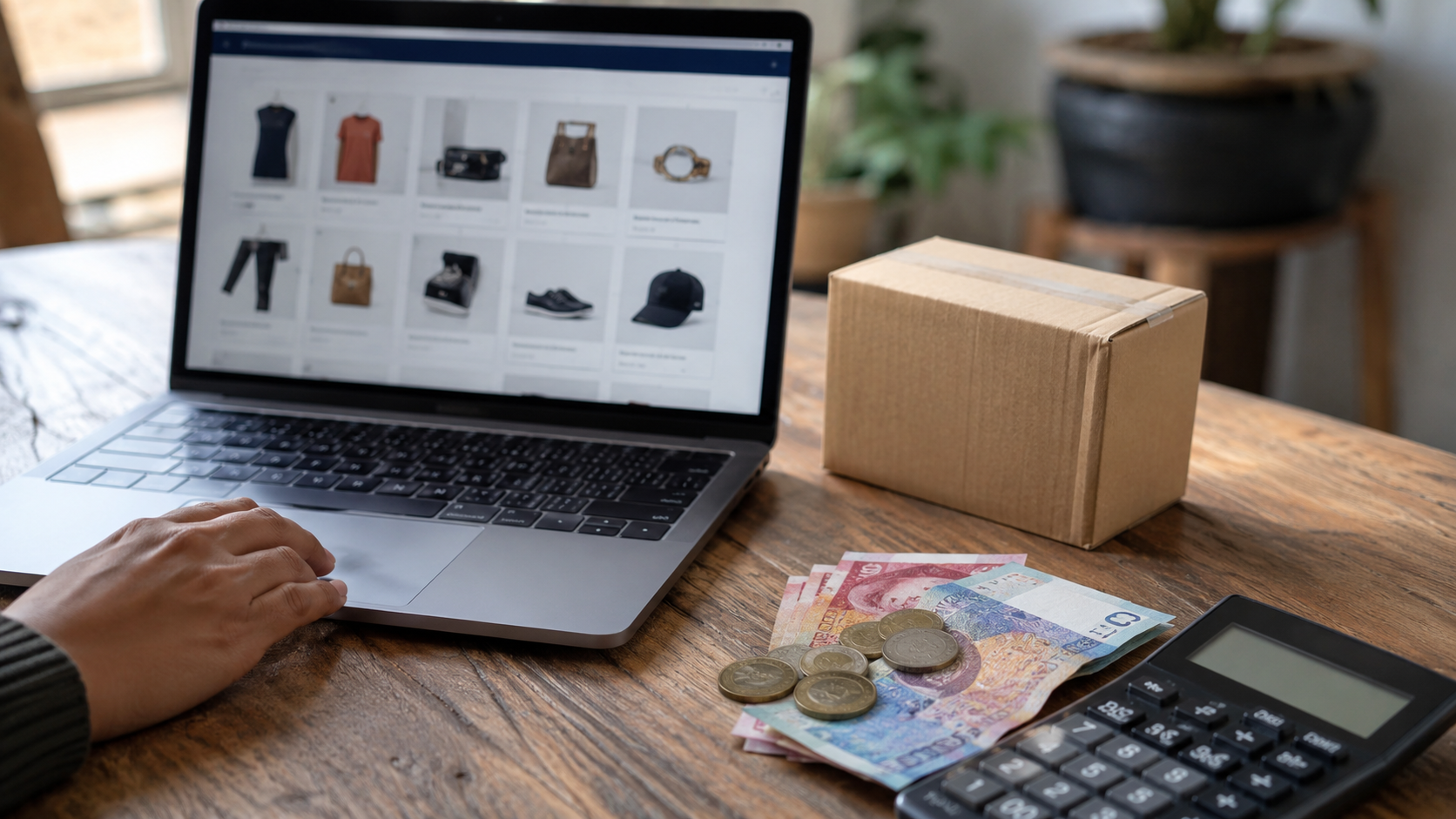
A laptop with a parcel and South African rand, showing the real cost of online shopping

International Online Shopping in South Africa: What It Actually Costs

A laptop with a parcel and South African rand, showing the real cost of online shopping

International online shopping gives South Africans access to products, prices, and brands that simply aren’t available locally. The catch is that every purchase from an overseas store attracts import duties, VAT, and shipping costs that aren’t visible at checkout. This guide breaks down what those costs are, where they come from, and how to get a clear total before you commit to a purchase.


Why international shopping costs are so confusing

When you buy from a South African online store, the price you see is the price you pay. Delivery might add a flat fee, but the total is predictable.

International purchases don’t work that way. The price on the product page is just the starting point. On top of that, you’re looking at international shipping, customs duties, 15% import VAT, and a customs clearance fee. Each of those costs depends on different variables: the product category, the country of origin, the weight, the declared value, and the exchange rate on the day of clearance.

No single online store shows you all of those costs upfront. Some show shipping. None show duties. And the exchange rate you see on Google is not the rate SARS uses to calculate what you owe. That gap between the checkout total and the real landed cost is where most South African buyers get caught off guard.


What you actually pay when you import

Every international online purchase that enters South Africa goes through customs. The total cost of getting that item to your door is made up of these components:

Product price

The cost of the item in the seller’s currency. This gets converted to ZAR at the SARS exchange rate (updated weekly), not the rate shown by your bank or Google.

International shipping

The cost of getting the item from the seller’s warehouse to South Africa. This varies significantly depending on the weight, dimensions, and speed of service. Heavy or bulky items cost more. Express air freight costs more than standard.

Customs duty

A percentage charged by SARS based on the product’s tariff classification. Different products attract different rates. Electronics, clothing, footwear, and food products all fall into different tariff categories with rates ranging from 0% to over 40%. The duty is calculated on the customs value, which includes the product price plus international shipping.

Import VAT (15%)

Charged on the customs value plus the duty amount. This is standard South African VAT, applied to imports the same way it’s applied to local goods. The base it’s calculated on is higher than just the product price because it includes shipping and duty.

Customs clearance fee

A processing fee charged by the clearing agent who submits your customs declaration to SARS. Every shipment entering the country requires this step.

When you add all of these together, the final landed cost of an imported item is typically 30% to 60% above the product’s listed price, depending on the product category. That’s not a reason to avoid international shopping. It’s a reason to know the number before you buy. For a full breakdown of how SARS arrives at the taxable value, see our guide on how customs value is determined.


How import duties and VAT work

Import duty is not a flat rate. Every product that exists has a corresponding tariff code (called an HS code) in the SARS tariff book. That code determines the duty percentage. A pair of running shoes, a laptop, and a kitchen mixer all attract different rates.

This is where most online “import calculators” fall short. They either ask you to look up your own tariff code (which requires specialist knowledge) or they apply a flat estimate that may be wildly off.

VAT is simpler: it’s 15%, applied after duty has been added. But because it’s calculated on the customs value plus duty (not just the product price), the actual rand amount is higher than most people expect.

Quick example: You buy a product listed at $100 (approximately R1,850 at current rates). Shipping costs $30. The customs value is now R2,405. If the duty rate for that product is 20%, duty adds R481. VAT (15%) is then calculated on R2,886, adding R433. The total landed cost: roughly R3,319, not R1,850. The import costs added about 80% to the shelf price.

The numbers shift with every product category, exchange rate, and shipping method. The only way to get an accurate figure for a specific item is to have it properly classified and costed. That’s what SSS does when you request an estimate.


Which online stores ship to South Africa?

Some international retailers ship directly to South Africa. The experience varies. A few examples:

Amazon (US, UK, DE): Ships selected items to South Africa. Not all products are eligible, and Amazon’s international shipping fees can be steep on heavier items. Amazon does collect estimated import duties at checkout on some orders, but the estimate is not always accurate, and reconciliation can be slow. For a detailed look, see our Amazon South Africa guide.

eBay: Whether an item ships to South Africa depends entirely on the individual seller. Many don’t. Those who do often charge high shipping or use slow, untracked methods. Our eBay South Africa guide covers how to navigate this.

AliExpress: Ships most items to South Africa, usually via China Post or similar economy services. Shipping is often listed as free, but delivery times are long (20 to 60 days) and tracking can drop off once the parcel enters the South African postal system. For a detailed look at buying from AliExpress, see our AliExpress South Africa guide.

Etsy: Shipping availability varies by seller. Many Etsy sellers are small operations and don’t offer international shipping at all. Those who do may not be familiar with customs declarations, which can cause delays. We cover this in detail in our Etsy buying guide.

For a broader list of trusted international stores, see our reputable online retailers guide.


What about stores that won’t ship here?

Many of the most popular international retailers don’t ship to South Africa at all. US stores in particular often restrict international delivery, or limit it to a handful of countries that don’t include South Africa.

This is one of the main reasons SSS exists. When you request a quote through SSS, you don’t need the store to ship internationally. SSS purchases the item on your behalf, receives it at a US or international warehouse, and then ships it to South Africa with full customs clearance included. The store only needs to ship domestically within its own country.

This opens up retailers that would otherwise be inaccessible. If you can find it online and link to it, SSS can quote it. For more on imports from the US specifically, see our USA import guide.


How SSS handles international online shopping

Scott’s Shipping Services provides end-to-end importing. That means we handle the purchase, international shipping, customs clearance, duties, VAT, and delivery to your door, quoted as one all-inclusive price before you commit.

Here’s how the process works:

1. You find what you want. Browse any online store, anywhere. Copy the product link or describe what you’re looking for.

2. You get a total cost upfront. Use the Quick Estimate calculator for an instant ballpark, or submit a full quote request for exact pricing. The quote includes everything: product price, shipping, duties, VAT, clearance. One number.

3. SSS handles the rest. Once you approve the quote, SSS purchases the item, manages international shipping, submits the customs declaration, pays the duties and VAT on your behalf, and arranges delivery to your door.

You don’t need to deal with customs brokers, tariff codes, SARS, or surprise charges at the door. The price you agree to is the price you pay. For a full walkthrough of each step, see our step-by-step import guide.

Important: SSS provides end-to-end importing only. We do not offer third-party shipping (where you’ve already bought the item and want it forwarded), clearing-only services, or courier-only delivery. If you haven’t purchased the item yet, we can help.

Common mistakes when shopping from overseas

Assuming the checkout price is the final price

It never is. Even if the store charges for international shipping at checkout, customs duties and VAT are still added when the parcel arrives in South Africa. Some couriers collect this at delivery. Others hold the parcel until you pay.

Using the Google exchange rate to estimate costs

SARS uses its own weekly exchange rate for customs calculations. Your bank uses a different rate again (plus a conversion fee). The price in rands at checkout, the SARS valuation, and the amount debited from your account can all be different numbers.

Buying from unfamiliar stores without checking legitimacy

Not every online store is what it appears to be. Scam sites often mimic real retailers with near-identical layouts and too-good-to-be-true pricing. Before handing over payment details, check the store’s reputation. Our reputable retailers guide covers what to look for.

Ordering restricted or prohibited items

South Africa restricts or prohibits the import of certain goods, including specific food products, medications, weapons, and counterfeit goods. If an item is seized at customs, you lose both the item and the money. Check before you buy.

For a deeper dive into these and other pitfalls, read our guide on common importing mistakes and hidden shipping costs.


FAQ: international online shopping in South Africa

Do I pay import duty on every international purchase?

Yes. Every commercial import into South Africa is subject to customs duty and 15% import VAT. The duty rate depends on the product’s tariff classification. Some categories attract 0% duty, but VAT always applies.

How long does international shipping to South Africa take?

It depends on the origin country, shipping method, and customs processing time. Express courier shipments from the US or UK typically take 5 to 10 business days. Economy options from China can take 20 to 60 days. Customs clearance adds 1 to 3 business days on top of transit time.

Can I buy from a store that doesn’t ship to South Africa?

Yes, through a service like SSS. We purchase the item on your behalf, receive it at a warehouse in the seller’s country, and ship it to South Africa with full customs clearance. The store only needs to deliver domestically.

Is it cheaper to buy internationally or locally?

It depends on the product. Some items are significantly cheaper overseas even after duties and shipping, especially electronics, speciality equipment, and brands not sold in South Africa. Others are cheaper locally once you factor in import costs. The only way to know is to compare the landed cost (not the shelf price) against the local price. Use the Quick Estimate calculator to check.

What happens if my imported item is damaged or wrong?

Returns on international purchases are complicated and often expensive. The original store’s return policy may not cover international shipping costs, and you may face a second round of customs and shipping fees to send the item back. This is one of the practical advantages of using SSS: we manage the purchasing relationship with the seller on your behalf.


Planning your next import? Use our online calculator for a quick estimate, or get in touch for advice on your shipment.


About the Author

With years of hands-on experience in international shipping and South African customs, Scott started SSS to give individuals and businesses a simpler, more transparent way to import. He and his team have handled thousands of shipments from six continents, building a reputation for reliability, compliance, and honest pricing.

The Benefits of Using an Import Company in South Africa

An import company handing over a parcel in a warehouse in South Africa

The Benefits of Using an Import Company in South Africa

An import company handing over a parcel in a warehouse in South Africa

Buying products from overseas retailers can save you 30-60% compared to local retail markup, but doing it yourself means dealing with customs paperwork, duty calculations, courier bookings, and the risk of unexpected fees on delivery. An import company handles all of that for you, from purchase to doorstep, for one upfront price. Here is what that actually looks like in practice.


What does an import company actually do?

An import company purchases goods on your behalf from overseas retailers, then manages the entire chain of getting those goods to your door in South Africa. That chain includes international shipping, customs clearance, duty and VAT payment, and local courier delivery.

The key difference between an import company and a freight forwarder or clearing agent is scope. A freight forwarder moves cargo. A clearing agent handles paperwork at the border. An import company does everything: it buys the product, ships it, clears it, pays the duties, and delivers it. You get one quote upfront and one delivery at the end.

At Scott’s Shipping Services (SSS), that is exactly the model. We quote you a single all-inclusive price that covers the product cost, international courier fees, customs duties, VAT, clearance charges, and delivery to your address in South Africa. For a detailed walkthrough of the process, see our step-by-step guide to importing.


Why not just import yourself?

You can. Plenty of South Africans order directly from Amazon, eBay, or AliExpress. But “can” and “should” are different questions. Here is what DIY importing typically involves:

The Hidden Costs

When you order directly from an international retailer, the price you see at checkout is rarely the price you pay. Once your parcel lands in South Africa, SARS applies customs duty (which varies by product category and can range from 0% to 45%) plus 15% VAT on the total value including shipping and insurance. Some couriers add their own clearance fees on top. We have covered the most common importing mistakes and hidden costs in detail if you want the full picture.

The result: a parcel you expected to cost R2,000 lands with a R900 bill attached that you need to pay before collection. That is not a rare outcome. It is the standard one.

The Time Cost

DIY imports through postal services can sit in customs for weeks. If SARS queries a declaration or requests supporting documents, the parcel stalls until you respond. Many buyers have no idea what documentation is needed or how to submit it, which adds more delays.

The Risk

If a product arrives damaged, is the wrong item, or never arrives at all, you are dealing with an overseas retailer’s returns policy from 9,000km away. Dispute resolution across borders is slow, expensive, and often fruitless for individual consumers.


All-inclusive pricing: one quote, no surprises

The single biggest benefit of using an import company is knowing what you will pay before you commit. SSS quotes include:

  • Product purchase price (in the retailer’s currency, converted to ZAR)
  • International courier shipping
  • South African customs duties
  • 15% import VAT
  • Customs clearance fees
  • Delivery to your South African address

There is no second invoice. No surprise fee at the door. The price we quote is the price you pay. That transparency is the core of how SSS operates, and it is the thing most clients say they value most.


Customs compliance without the guesswork

South African customs regulations are specific and strictly enforced. Every imported item needs a correct customs value declaration, the right tariff code, and accurate supporting documents. Get any of those wrong and your shipment gets delayed, returned, or penalised.

SSS handles customs compliance as part of the standard service. We classify your goods under the correct tariff heading, prepare accurate customs declarations, calculate the exact duty and VAT payable, and submit everything to SARS on your behalf. You do not need to learn the Harmonised System or figure out which customs form applies to your purchase.

For anyone importing regularly, or importing higher-value items, getting customs right is not optional. It is a legal requirement. Using an import company that handles compliance by default removes that risk entirely.


Faster, more reliable delivery

SSS uses dedicated international courier services rather than standard postal channels. The practical difference is significant:

  • Courier imports typically arrive in 5-10 business days depending on the origin country
  • Postal imports can take 4-8 weeks, sometimes longer if customs queries the parcel
  • Courier shipments include tracking from collection to delivery
  • Postal parcels often have limited or no tracking once they enter the South African postal system

Speed aside, courier imports clear customs faster because the courier handles the declaration process directly with SARS. There is no queue at the post office sorting facility. For larger or heavier shipments where courier is not practical, SSS also offers air and sea freight options.


Who benefits most from using an import company?

SSS works with a wide range of clients, but certain groups get the most value from the service:

Individual buyers who want a specific product from an overseas retailer (Amazon US, UK stores, European brands, Asian manufacturers) but do not want to deal with customs, currency conversion, or delivery uncertainty.

Small business owners who need to import stock or equipment but lack the volume to justify setting up their own import operation. SSS handles the logistics so they can focus on running the business.

First-time importers who are unsure of the process, the costs, or the risks. An all-inclusive quote from SSS removes the uncertainty entirely. You know the total cost before you commit, and you have a local point of contact if anything goes wrong.

Buyers of high-value or fragile items where the cost of a lost or damaged parcel is too high to risk on an uninsured postal shipment. For shoppers who prefer a fully hands-off experience, SSS also offers an International Shopping Concierge service.


How SSS works: the process step by step

The SSS import process is straightforward:

  1. You find what you want. Browse any international retailer online. Copy the product link or describe what you need.
  2. Get a quote. Use our quick estimate calculator for an instant ballpark figure, or submit a full quote request for an exact price.
  3. Approve and pay. If the quote works for you, confirm the order and pay via EFT. We purchase the product on your behalf.
  4. We handle the rest. SSS manages the international shipping, customs clearance, duty payment, and local delivery. You get tracking updates throughout.
  5. Delivery to your door. Your parcel arrives at your South African address. No customs bill, no surprises.

That is it. Five steps from “I want that” to “I have it.” Have questions? Get in touch and we will point you in the right direction.


Frequently asked questions

Is it cheaper to use an import company than buying locally?

Often, yes. South African retail prices include importer margins, distributor markup, and retailer markup on top of the original product cost. Buying direct through an import company like SSS cuts out those middle layers. Even after adding shipping, duties, and VAT, the total is frequently lower than the local shelf price, especially for electronics, clothing, and specialist products not widely stocked in South Africa.

What countries can SSS import from?

SSS imports from any country with accessible online retailers. The most common origins are the USA, UK, China, Germany, Japan, and Australia, but we are not limited to those. If a retailer ships internationally (or even just domestically within their own country), we can usually make it work.

How long does an import take?

Typical delivery times range from 5 to 15 business days depending on the origin country and product availability. US and UK orders tend to be on the faster end. Orders from China or Asia may take slightly longer. We provide tracking throughout so you always know where your parcel is.

Do I need to handle any customs paperwork myself?

No. SSS manages all customs documentation, tariff classification, duty calculation, and SARS submissions. You do not need to fill in any forms or contact any government department. That is the point of the service.

What if my order arrives damaged or incorrect?

SSS manages the resolution process with the retailer on your behalf. Because we are the buyer of record, we deal directly with the supplier’s returns or claims process. You do not need to chase an overseas company from South Africa.


If you’re planning your next import, don’t leave it to chance. Scott’s Shipping Services is here to make the process smooth, cost-effective, and fully compliant. Get your quick estimate today using our online calculator, or contact us for expert advice on your shipment.


About the Author

Scott is the founder and director of Scott’s Shipping Services, a trusted name in international shipping and customs clearance in South Africa. With over a decade of experience helping hundreds of individuals and businesses import goods safely and efficiently, Scott combines technical expertise with practical know-how. His team has managed over 5,000 successful shipments globally, earning a reputation for reliability, transparency, and straight, honest pricing.

How to Import Goods to South Africa

A desk with a checklist, globe and parcel for importing goods to South Africa

Importing Goods from Other Countries to South Africa

A desk with a checklist, globe and parcel for importing goods to South Africa

Every import to South Africa involves three costs: the product price, the shipping, and the customs charges (duty + VAT). Most people only think about the first one. Scott’s Shipping Services (SSS) handles all three as a single, all-inclusive quote, so the price you see is the price you pay. This guide covers what importing involves, what it costs, what you can and can’t bring in, and how to avoid the mistakes that catch most first-time importers.


What does “importing goods” actually mean?

Importing means buying a product from a seller in another country and bringing it into South Africa. That sounds simple, but the moment your goods cross the border, SARS (South African Revenue Service) gets involved.

Every imported item must be declared to customs. SARS assesses the customs value, applies the correct tariff code, and calculates the duty and VAT owed. Only once those charges are paid can the goods be released for delivery.

This applies whether you are ordering a phone case from AliExpress or a pallet of spare parts from Germany. The process is the same. The scale is different.


How South African import duties and VAT work

Two charges apply to almost every import:

Import duty

Duty is a percentage charged on the customs value of your goods. The rate depends on the product type and is set by the tariff schedule. Clothing might attract 40%+ duty. Electronics often sit at 0%. There is no single flat rate.

The tariff code (also called an HS code) determines the rate. Getting this wrong means paying too much or too little, both of which cause problems.

Import VAT

VAT at 15% is charged on the customs value plus the duty amount. So if your goods are valued at R1,000 and duty is R200, you pay 15% on R1,200, which is R180 in VAT.

Quick example: A product costs R1,000. Duty at 20% = R200. VAT at 15% on R1,200 = R180. Total customs charges: R380 on top of the product price and shipping.

SSS calculates all of this upfront. When you receive a quote from us, the duty, VAT, and clearance fees are already included. No surprises at delivery. For a deeper look at how SARS determines what you owe, see our guide to how customs value is calculated.


What can you import to South Africa?

Almost anything, within reason. Clothing, electronics, car parts, supplements, cosmetics, tools, hobby equipment, pet supplies, furniture, musical instruments. If a retailer ships internationally (or even if they don’t), it can usually be imported. Not sure where to start? Our guide to popular import categories covers what South Africans commonly order from overseas.

SSS regularly imports from the United States, United Kingdom, Europe, China, Japan, and Australia. We also handle imports from less common origins when a client finds something specific.

If you have found a product on a site like AliExpress, Amazon, eBay, or a specialist retailer, chances are we can get it here.


What needs a permit or can’t be imported?

Some goods need additional paperwork before they can clear customs. A few categories are outright prohibited.

Permit-required items

Certain products require import permits from specific government departments. These include firearms and ammunition, certain food products, pharmaceuticals, agricultural goods (seeds, plants, live animals), and radio/communications equipment. The permits must be in place before the goods arrive.

Prohibited items

South Africa prohibits the import of counterfeit goods, certain hazardous chemicals, and items that violate international trade sanctions. Goods that infringe intellectual property rights will be seized.

Not sure? If you are unsure whether your item needs a permit or faces restrictions, ask us before you buy. We will confirm whether it can be imported and what paperwork is needed.

How the import process works

When you use SSS, the process looks like this:

1. You send us a link or description of the product you want.
This can be a URL from any online store, or just a description with enough detail for us to find and price it.

2. We send you an all-inclusive quote.
The quote covers the product price, international shipping, customs duty, VAT, clearance fees, and delivery to your door. One number.

3. You approve and pay.
Once you accept the quote, we purchase the item on your behalf from the retailer.

4. We manage the shipping and customs clearance.
The item ships to our receiving point, gets forwarded to South Africa, clears customs (we handle the declaration and duty payment), and is dispatched for local delivery.

5. Your goods arrive at your door.
Depending on the origin country and shipping method, delivery typically takes 7 to 21 working days for courier shipments and longer for freight and cargo.

For a detailed walkthrough of each step, including the documentation you’ll need and how to choose a shipping method, see our step-by-step import guide.


How much does it cost to import goods?

The total cost of an import depends on four things:

Product price: What the retailer charges for the item.

International shipping: The cost to get it from the seller’s country to South Africa. This varies by weight, size, and origin.

Customs charges: Duty (varies by product type) plus 15% VAT on the customs value plus duty.

Clearance and local delivery: The administrative cost of clearing the goods through SARS and getting them to your address.

SSS bundles all four into a single quote. You do not pay customs separately at delivery. You do not get a surprise bill from a courier asking for duty. Everything is handled and paid upfront.

To see what your specific import would cost, request a quick estimate. Send us the product link and we will come back with a full breakdown. For a deeper look at how these costs add up, see our detailed cost breakdown guide.


Can you import goods for your business?

Yes. SSS handles both personal and commercial imports. Business imports follow the same basic process, but may involve additional documentation such as a customs code (importer’s code), commercial invoices, and in some cases letters of authority.

If you are importing stock for resale, raw materials, or equipment, we can handle the customs formalities. For larger or recurring shipments, our freight and cargo service is usually more cost-effective than courier.


Common mistakes when importing to South Africa

Undervaluing goods on the declaration

Some importers declare a lower value to reduce duty. SARS audits these declarations. If they find the value is wrong, you face penalties, delays, and possible seizure of goods. It is not worth the risk.

Ignoring duty and VAT until delivery

If you ship something yourself and do not pre-pay the customs charges, the courier will hold your parcel until you pay. This causes delays and often catches people off guard with costs they did not budget for.

Using the wrong tariff code

The tariff code determines how much duty you pay. A wrong code can mean overpaying (money lost) or underpaying (audit risk). SSS uses the correct classification for every shipment.

Buying from unreliable sellers

Not every online store is trustworthy. Before committing to a purchase, especially from unfamiliar sites, it is worth checking whether the retailer is reputable. SSS vets sellers as part of the process.

For more on what can go wrong and how to avoid it, see our full list of common importing mistakes and hidden costs.


Why use an import service?

You can import goods yourself. Plenty of people do. But doing it yourself means figuring out the tariff code, calculating the duty and VAT, filling out the customs declaration, paying the charges to SARS or the courier, dealing with delays if anything goes wrong, and doing all of that for every single order.

An import service like SSS removes that entire layer. You send us a link, we send you a price, and the goods arrive at your door. That is the value proposition, and it is why most of our clients come back for repeat orders. For a more detailed look at what an import service actually does for you, see our guide to the benefits of using an import company.


Frequently asked questions

How long does it take to import goods to South Africa?

Courier shipments typically take 7 to 21 working days depending on the origin country. Freight and cargo shipments take longer, usually 4 to 8 weeks by sea.

Do I need an importer’s code to import personal goods?

No. An importer’s code is only required for commercial imports (goods for resale or business use). SSS handles customs clearance for personal imports without one.

Is there a minimum order value for using SSS?

No fixed minimum. If the product is worth importing and the total cost makes sense, we will quote it. Very low-value items may not be cost-effective once shipping and duties are factored in, and we will tell you that upfront.

Can I import from any country?

Most countries, yes. There are a few exceptions due to trade sanctions, but they are rare. If you have found a product from a specific country, send us the link and we will confirm.

What happens if my goods are damaged in transit?

SSS takes responsibility for the shipment from purchase to delivery. If goods arrive damaged, contact us and we will work through the resolution process with you.

Does SSS handle the actual purchase from the retailer?

Yes. SSS is an end-to-end import service. We buy the product on your behalf, handle the international shipping, clear it through customs, and deliver it to your door. You do not need to deal with the retailer directly.


If you’re planning your next import, don’t leave it to chance.
Scott’s Shipping Services is here to make the process smooth,
cost-effective, and fully compliant. Get your quick estimate today
using our online calculator,
or contact us for expert advice on your shipment.
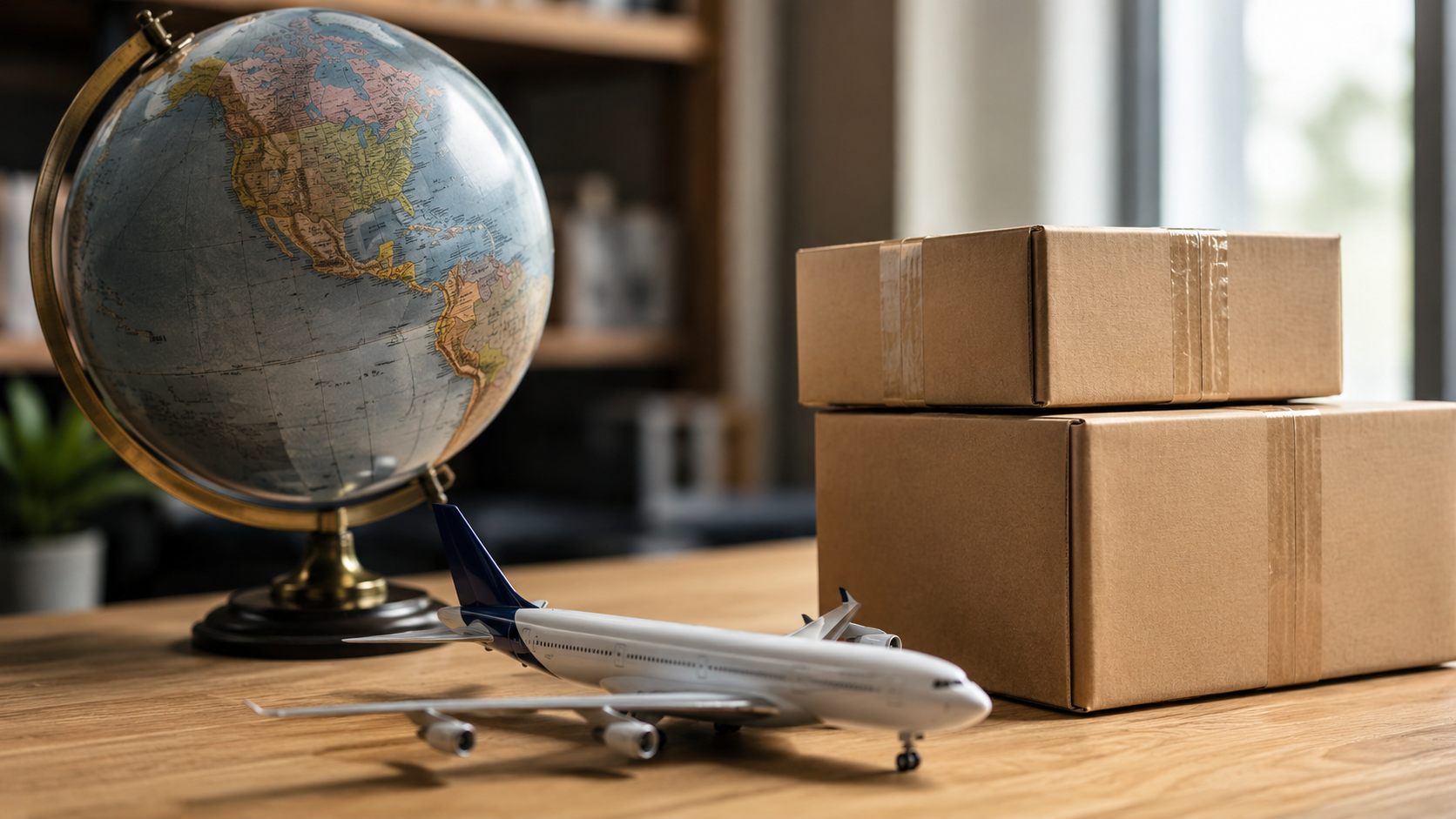

About the Author

Scott is the founder and director of Scott’s Shipping Services, a trusted name in international shipping and customs clearance in South Africa. With over a decade of experience helping hundreds of individuals and businesses import goods safely and efficiently, Scott combines technical expertise with practical know-how. His team has managed over 5,000 successful shipments globally, earning a reputation for reliability, transparency, and straight, honest pricing.


Importing Goods to South Africa: What It Costs and How It Works

A parcel, calculator and rand notes showing the cost of importing goods to South Africa

Importing Goods to South Africa: What It Costs and How It Works

A parcel, calculator and rand notes showing the cost of importing goods to South Africa

Every year, thousands of South Africans order products from overseas retailers, only to hit a wall when the parcel reaches customs. Duties, VAT, courier surcharges and unclear timelines turn what looked like a bargain into an expensive headache. This guide breaks down exactly what importing goods to South Africa costs, how duties and VAT are calculated, and how to avoid the common traps that catch most first-time importers.


Why are South Africans importing more than ever?

The short answer: selection and price. Many products sold internationally are either unavailable locally, heavily marked up by local resellers, or months behind on release dates. Electronics, auto parts, speciality health products, clothing brands, hobby gear and industrial components are among the most commonly imported categories.

South African consumers and small businesses have worked out that buying directly from retailers in the USA, UK, China, Germany and the UAE often saves 30% to 60% compared to local retail, even after shipping and duties are factored in.

The catch is that “buying” is the easy part. Getting the goods through customs, paying the correct duties, and having them delivered to your door without delays or surprise charges is where most people get stuck.


What does it cost to import goods to South Africa?

The total landed cost of an imported item is made up of several components. Understanding each one prevents surprises at delivery.

The cost breakdown

Cost ComponentWhat It Covers
Product priceThe purchase price from the overseas retailer, converted to ZAR
International shippingCourier or freight charges from the seller’s country to South Africa
Customs dutyA percentage of the declared value, set by SARS based on the product’s tariff code
VAT15% on the combined value of the product, shipping, and duty
Clearance and handlingFees charged by the clearing agent or courier for processing the customs declaration
Local deliveryThe final-mile courier from the port of entry to your door

When you buy from an overseas retailer and arrange your own shipping, each of these costs arrives separately and often without warning. Duty rates depend on the product classification (tariff heading), and getting the classification wrong can result in delays, penalties, or your parcel being held at customs.

Tip: With an all-inclusive import quote from SSS, every one of these costs is calculated upfront and bundled into a single price. No hidden fees, no surprises at delivery.

How do customs duties and VAT work?

Every item entering South Africa is subject to assessment by SARS (South African Revenue Service). The process works like this:

The courier or clearing agent submits a customs declaration that includes the product description, its value, the country of origin, and the applicable tariff code. SARS uses this information to calculate the duty owed. VAT at 15% is then applied on top of the product value, the shipping cost, and the duty combined.

Duty rates vary widely. Some goods attract 0% duty (certain raw materials, for example), while others can reach 40% or higher (clothing and textiles are notoriously expensive to import). The rate depends entirely on the tariff heading assigned to the product, which is drawn from the Harmonised System used internationally. For a deeper look at how SARS calculates what you owe, see our guide to how customs value is determined in South Africa.

This is where many DIY importers get caught. If the tariff code on the declaration is wrong, SARS can reject the entry, hold the goods for inspection, or apply a higher rate. Correcting errors after the fact costs time and money.

Common misconception: “Items under R500 are duty-free.” This applies to postal shipments only. Goods shipped by courier (which is how most international orders arrive) are assessed regardless of value.

What can (and can’t) you import?

Most consumer goods can be legally imported into South Africa, but there are restrictions and outright bans worth knowing about before you buy. For a full rundown of popular product categories, see our guide to what South Africans commonly import.

Commonly imported goods

Electronics and computer components, auto parts and accessories, clothing and footwear, health and beauty products, hobby and craft supplies, tools and industrial equipment, and children’s toys are all regularly imported by SSS clients.

Restricted or prohibited items

Certain items require permits or are banned entirely. These include firearms and weapons, certain medications and supplements (depending on SAHPRA regulations), counterfeit goods, hazardous materials, and some agricultural products. If you’re unsure whether a specific product can be imported, it’s worth checking before you buy.

SSS reviews every order before purchase and will flag any compliance issues upfront, so you don’t waste money on something that can’t clear customs.


The real risks of importing on your own

Plenty of South Africans have ordered directly from an overseas store, only to find the experience less straightforward than expected. The common pain points include:

Surprise charges at delivery. The courier arrives with an invoice for duties and VAT you didn’t budget for. If you can’t pay on the spot, the parcel goes back to the depot.

Goods stuck at customs. Incorrect or incomplete documentation causes delays. In some cases, parcels sit for weeks while paperwork is sorted out.

No recourse for damaged or lost items. When you ship directly from an overseas retailer, you’re often left dealing with an international returns process that rarely works in your favour.

Exchange rate exposure. The ZAR fluctuates daily. Between the time you place an order and the time duties are assessed, the cost can shift significantly.

None of these risks are deal-breakers on their own, but together they make DIY importing unpredictable. For a single low-value item, you might accept the gamble. For anything substantial, most people prefer knowing the full cost before they commit. Our guide on the benefits of using an import company covers this in more detail.


How all-inclusive importing works

Scott’s Shipping Services (SSS) operates a simple model: you tell us what you want, we quote you one price that covers everything, and we handle every step from purchase to door delivery.

What “all-inclusive” actually means

The quote you receive from SSS includes the product purchase, international courier shipping, customs clearance, all duties and VAT, and delivery to your door anywhere in South Africa. There are no add-ons, no processing fees tacked on later, and no duty invoices waiting at delivery.

The process

You send us a link to the product (or a description if it’s not online). We confirm availability, calculate every cost including duties and VAT, and send you a single all-inclusive quote. If you accept, we purchase, ship, clear, and deliver. You pay once, upfront. For a detailed step-by-step walkthrough, see our complete import process guide, or our guide to importing from specific countries.

We buy from retailers in the USA, UK, China, UAE, Germany, Australia, and most other countries. If a store ships internationally, we can work with it. See our guides for buying from specific stores like Amazon, eBay, Etsy, and AliExpress.

Payment options

SSS accepts EFT (bank transfer), cash deposits, and credit card payments through a secure payment gateway. No credit card? No problem.


How to get started

If you already know what you want to buy, getting a quote takes about 30 seconds. Use the Quick Estimate calculator for an instant cost breakdown, or submit a full quote request if you need us to source the product or the order is more complex.

Importing for a business? Our business importing guide covers what’s different, including documentation requirements and commercial-volume considerations. For a broader overview of shopping internationally, see our international online shopping guide.


Frequently asked questions

How long does it take to import goods to South Africa?

Timeframes depend on the country of origin and the shipping method. Courier shipments from the USA or UK typically arrive in 7 to 14 working days. Shipments from China range from 10 to 21 working days. Freight shipments for larger items take longer, usually 4 to 8 weeks including sea transit and customs clearance.

Do I have to pay customs duty on everything?

Yes, if the goods arrive by courier. SARS assesses all courier shipments regardless of value. The duty rate depends on the product type, and VAT at 15% is always applied. Some product categories attract 0% duty, but VAT still applies.

Can I import goods I’ve already purchased overseas?

SSS provides an end-to-end import service that starts with the purchase. We do not offer shipping-only or clearing-only services for goods already bought. This is because our all-inclusive pricing model requires us to manage the transaction from the point of purchase.

What countries does SSS import from?

SSS imports from most countries worldwide, including the USA, UK, China, Germany, UAE, Japan, Australia, Canada, and South Korea. If an online store accepts international payment and ships to a forwarding address, we can handle the import.

Is it cheaper to import goods myself or use a service like SSS?

It depends on the product and your experience with customs. For small, low-duty items, direct ordering can be cheaper. For anything over a few thousand rand, or for goods that attract complex duties, an all-inclusive service typically works out similar or cheaper once you factor in clearance fees, exchange rate risk, and the time spent managing the process.


If you’re planning your next import, don’t leave it to chance.
Scott’s Shipping Services is here to make the process smooth,
cost-effective, and fully compliant. Get your quick estimate today
using our online calculator,
or contact us for expert advice on your shipment.


About the Author

Scott is the founder and director of Scott’s Shipping Services, a trusted name in international shipping and customs clearance in South Africa. With over a decade of experience helping hundreds of individuals and businesses import goods safely and efficiently, Scott combines technical expertise with practical know-how. His team has managed over 5,000 successful shipments globally, earning a reputation for reliability, transparency, and straight, honest pricing.